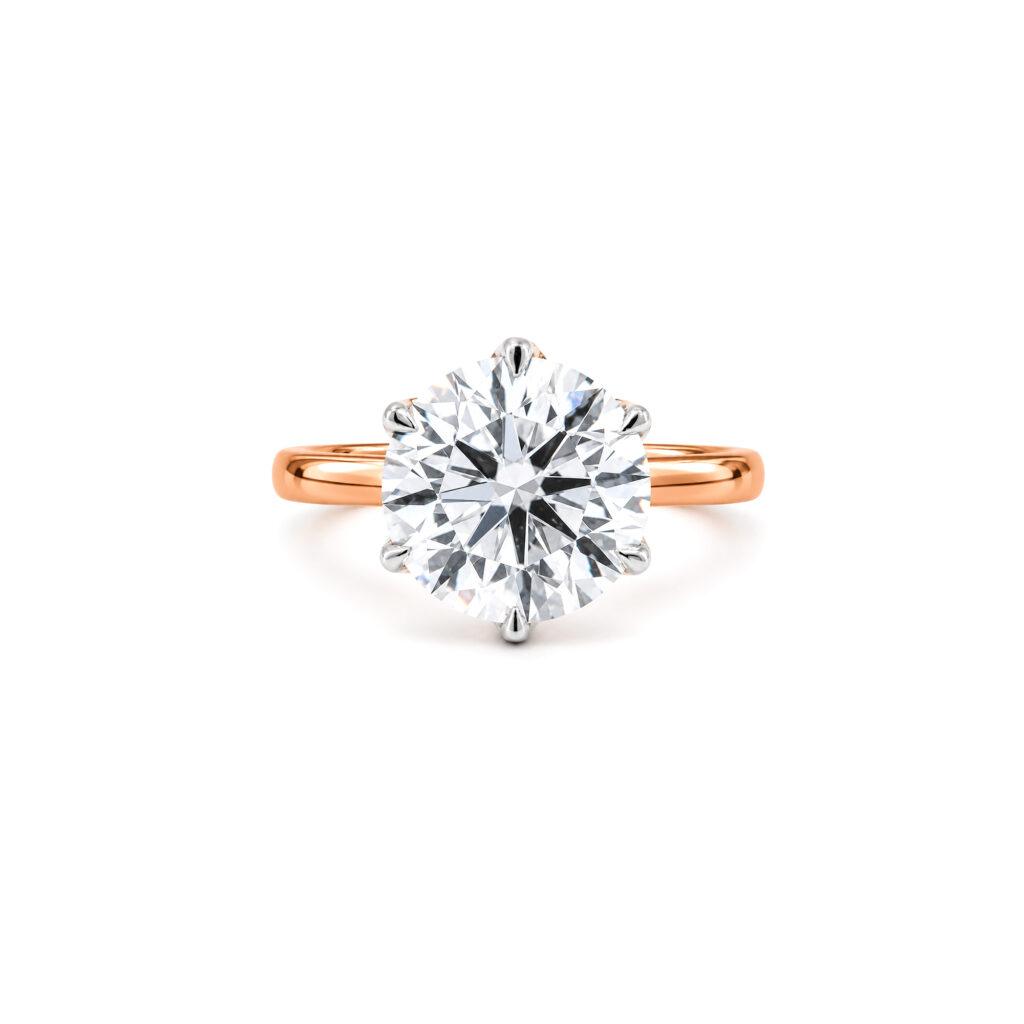
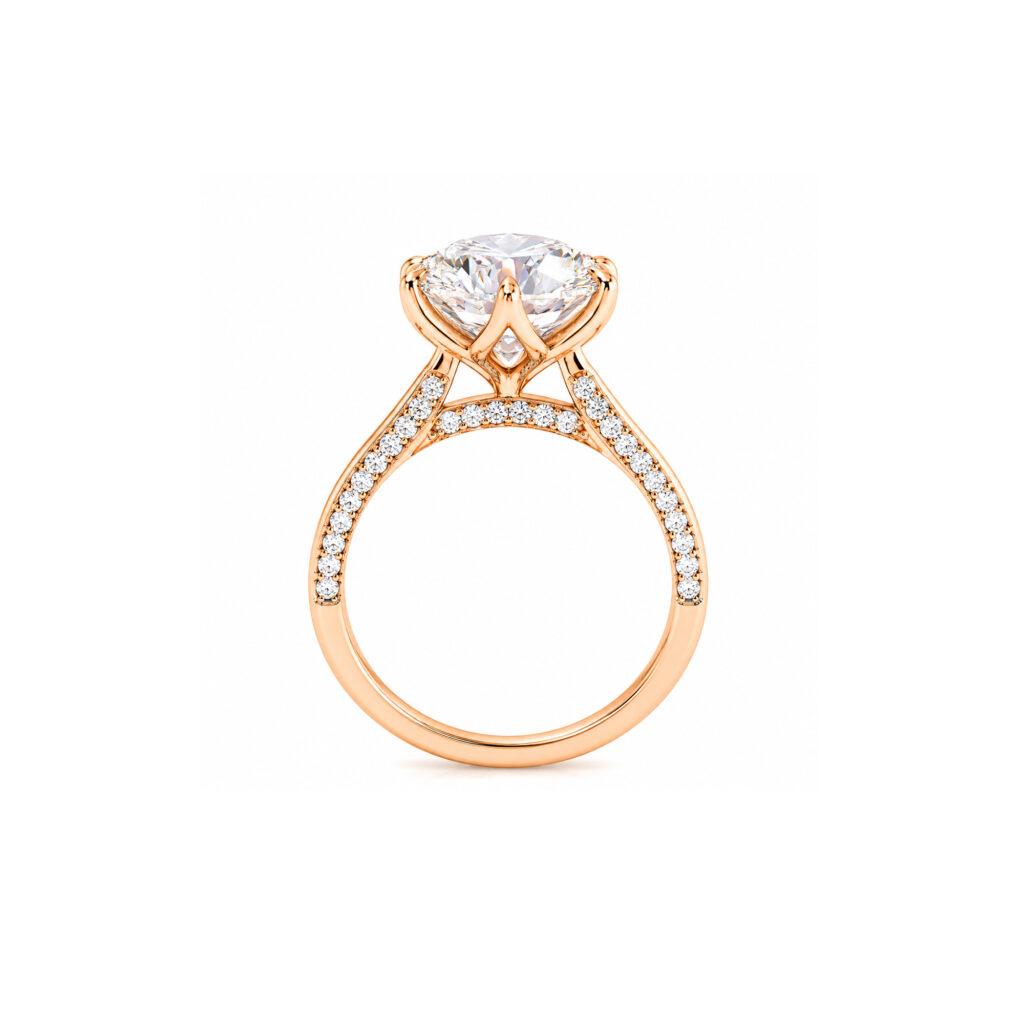
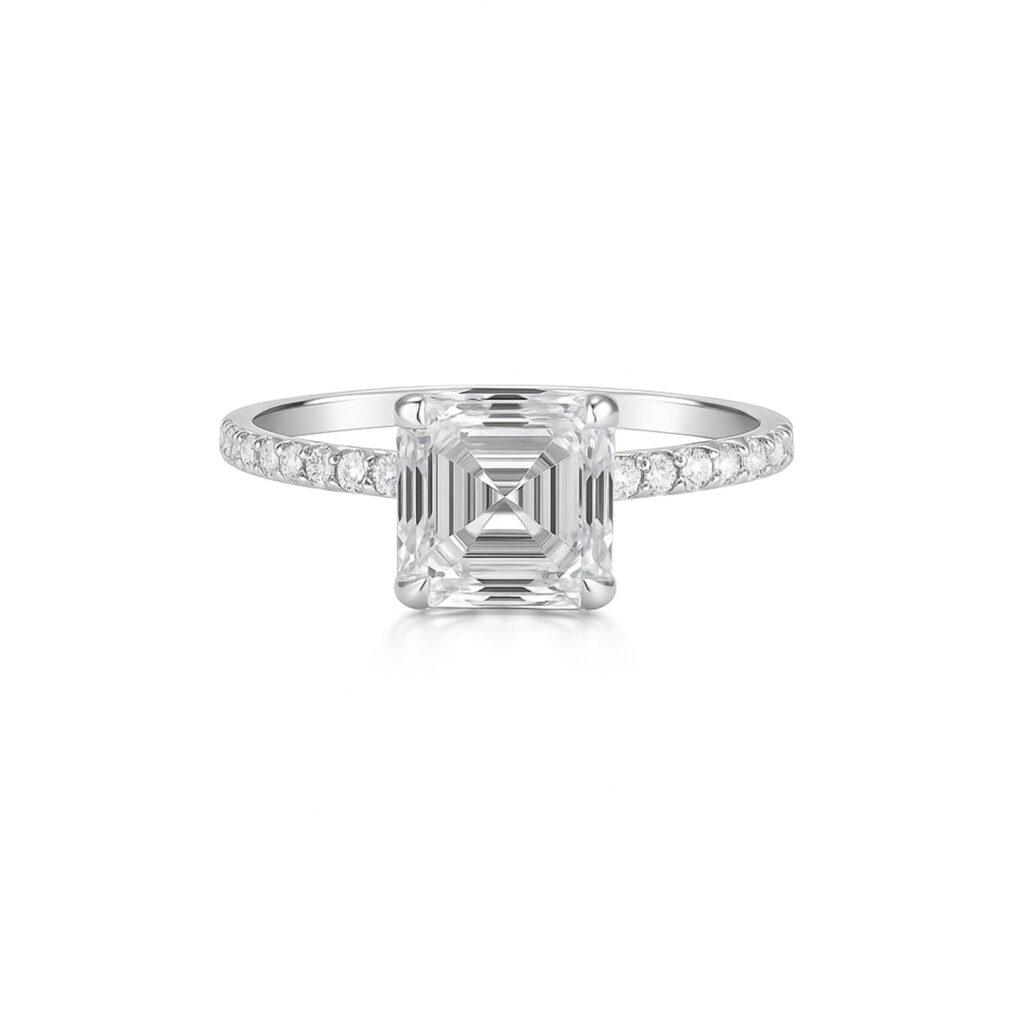
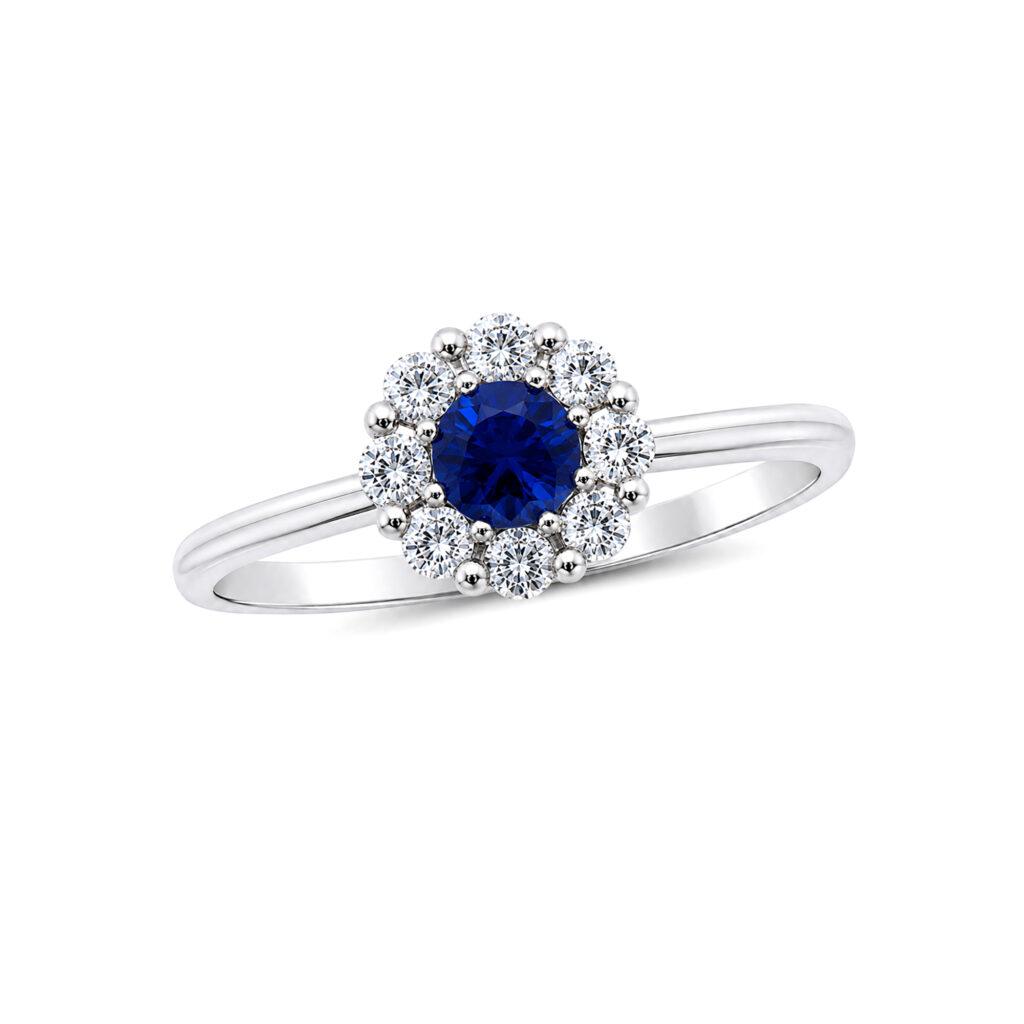
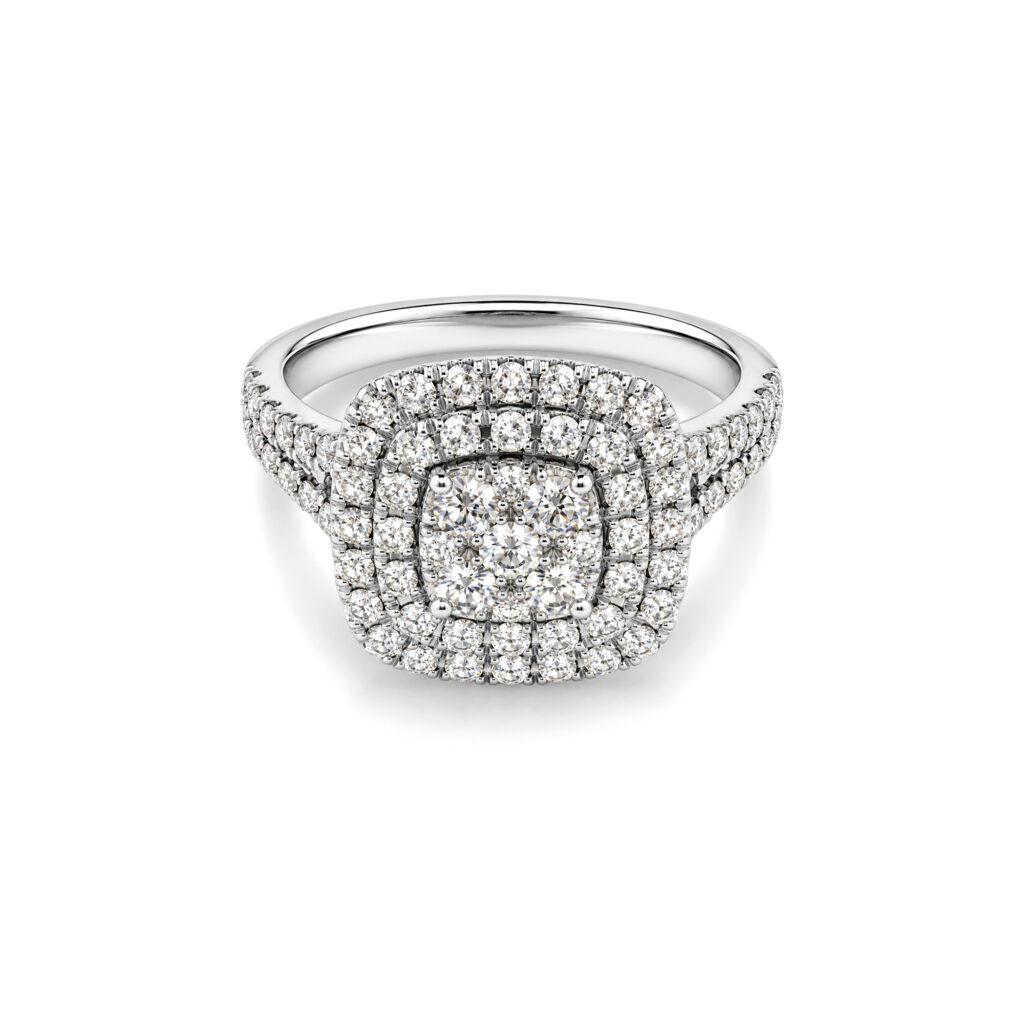
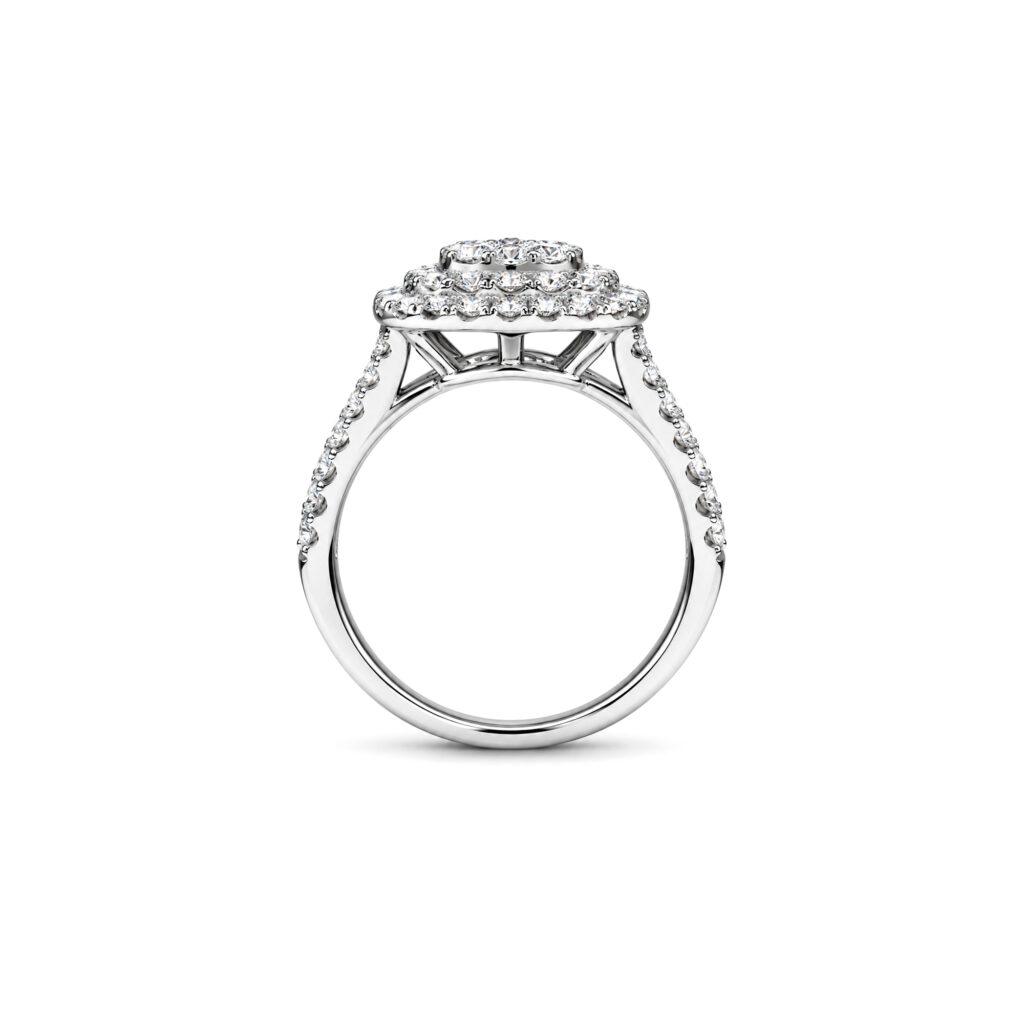
Explore diamond rings in Dubai, from elegant solitaires to radiant halos. Find a meaningful engagement ring or anniversary gift to treasure always. Customized rings in Dubai.
TABLE OF CONTENTS
- Diamond Rings in Dubai: A Guide to Timeless Style and Exceptional Craftsmanship
- The Distinctive Appeal of Diamond Rings in Dubai
- Understanding Diamond Quality: Beyond the First Sparkle
- Choosing a Diamond Shape That Suits Your Style
- Selecting the Right Precious Metal
- Popular Diamond Ring Settings
- Natural and Laboratory-Grown Diamond Rings
- What to Check Before Buying a Diamond Ring in Dubai
- Creating a Bespoke Diamond Ring
- Far far away there live the blind live in Bookmarksgrove right.
- Caring for a Diamond Ring
Diamond Rings in Dubai: A Guide to Timeless Style and Exceptional Craftsmanship
A diamond ring captures light, but its appeal reaches far beyond brilliance. It can mark a promise, commemorate an achievement, or become a family heirloom whose significance deepens with every generation. In Dubai, where jewellery forms part of both cultural heritage and contemporary luxury, choosing a diamond ring is an opportunity to bring personal meaning and considered design together. Shop Diamond rings in Dubai.
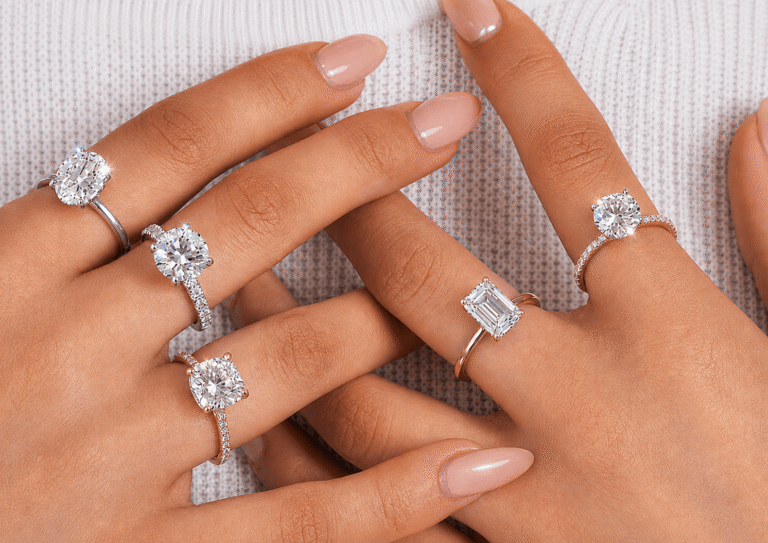
The possibilities are extensive. A slender solitaire offers quiet refinement. Moreover, An elaborate halo makes a more theatrical statement. An elongated emerald-cut diamond introduces architectural elegance, while a round brilliant delivers a lively interplay of light.
Finding the right ring requires more than selecting the most dazzling stone. Proportion, craftsmanship, comfort, and documentation all deserve attention. Furthermore, The finest choice is one whose beauty remains persuasive long after the first impression. Customized rings in Dubai.
The Distinctive Appeal of Diamond Rings in Dubai
Dubai’s jewellery landscape brings together traditional goldsmithing influences and an international design vocabulary. Moreover, This creates room for markedly different tastes: richly ornamented settings, sculptural contemporary pieces, and understated rings built around a single exceptional diamond.
For the buyer, this variety offers freedom. A ring can express cultural identity, suit an everyday wardrobe, or reflect a highly individual aesthetic.
Yet abundance also calls for discernment. Two rings that appear similar at first glance may differ substantially in diamond quality, construction, and wearability. Furthermore, Looking closely—and asking precise questions—makes the selection process more rewarding. Customized rings in Dubai.
Understanding Diamond Quality: Beyond the First Sparkle
The four Cs—cut, colour, clarity, and carat weight—provide a useful framework for assessing a diamond. They should be considered together, rather than treated as isolated measures of excellence.
Cut: The Foundation of Brilliance
Cut concerns the diamond’s proportions, facet arrangement, and finish. It is distinct from shape, which describes the outline of the stone.
A well-cut diamond manages light effectively, creating brightness, flashes of spectral colour known as fire, and the shifting sparkle called scintillation. Furthermore, A poorly proportioned stone can appear subdued even when its colour and clarity grades are high.
Observe the diamond as it moves. Its appeal should extend beyond a single flattering angle.
Colour: Subtle Differences in Appearance
For diamonds assessed on the standard D-to-Z colour scale, grades describe increasing amounts of yellow or brown tint. The visual effect can be subtle and depends partly on the stone’s size, shape, and setting.
Metal colour also influences the overall composition. White metals create a crisp, tonal presentation, while yellow and rose gold introduce warmth and contrast.
The objective is harmony. Compare diamonds in person where possible, and choose an appearance that appeals to the eye rather than pursuing a grade without considering its visible benefit.
Clarity: Evaluating Natural Characteristics
Clarity refers to internal characteristics, called inclusions, and external features, known as blemishes. Their size, position, number, and nature affect the clarity assessment.
A higher clarity grade does not always produce an obvious difference during ordinary wear. Some inclusions are difficult to see without magnification; others may be more noticeable or require closer evaluation for durability.
Ask whether the diamond is eye-clean under clearly explained viewing conditions. Then inspect it yourself.
Carat: Weight Rather Than Visible Size
Carat measures weight. It does not directly describe how large a diamond looks from above.
Two diamonds of equal weight can have different face-up dimensions because of their shape and proportions. An elongated outline may also create a different visual impression from a compact square or round stone.
Consider the complete silhouette on the hand. Presence depends on more than weight alone. Shop Diamond rings in Dubai.
Choosing a Diamond Shape That Suits Your Style
Shape establishes much of a ring’s character. It influences the pattern of light, the proportions of the design, and the impression the ring makes when worn.
| Diamond shape | Visual character | Design appeal |
|---|---|---|
| Round brilliant | Balanced outline with lively sparkle | Versatile across classic and contemporary settings |
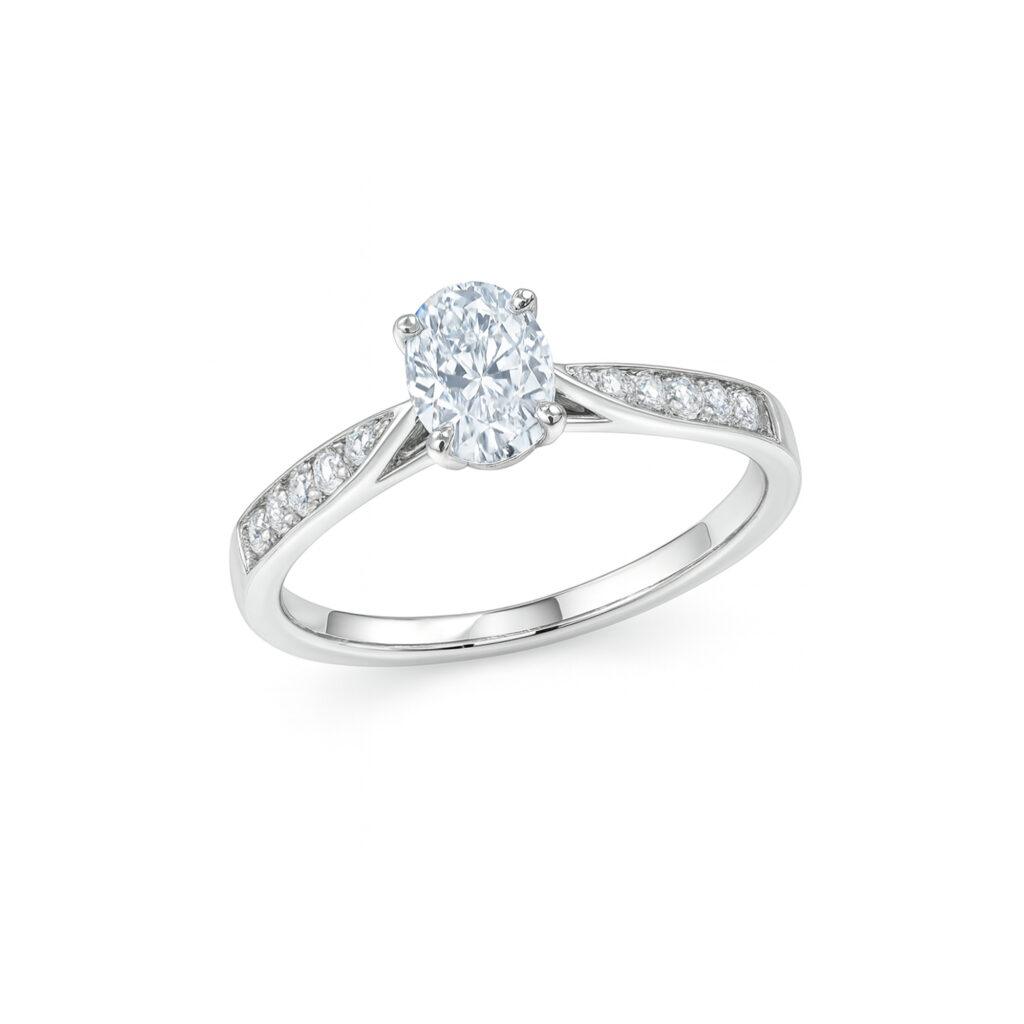
| Oval | Soft, elongated silhouette | Combines flowing lines with brilliant faceting |
| Emerald | Rectangular shape with stepped facets | Architectural elegance and broad flashes of light |
| Cushion | Rounded corners and a pillowy outline | A romantic appearance with varied facet patterns |
| Princess | Square outline with pointed corners | Crisp geometry and a modern character |
| Pear | Tapered, asymmetrical silhouette | Distinctive styling and directional movement |
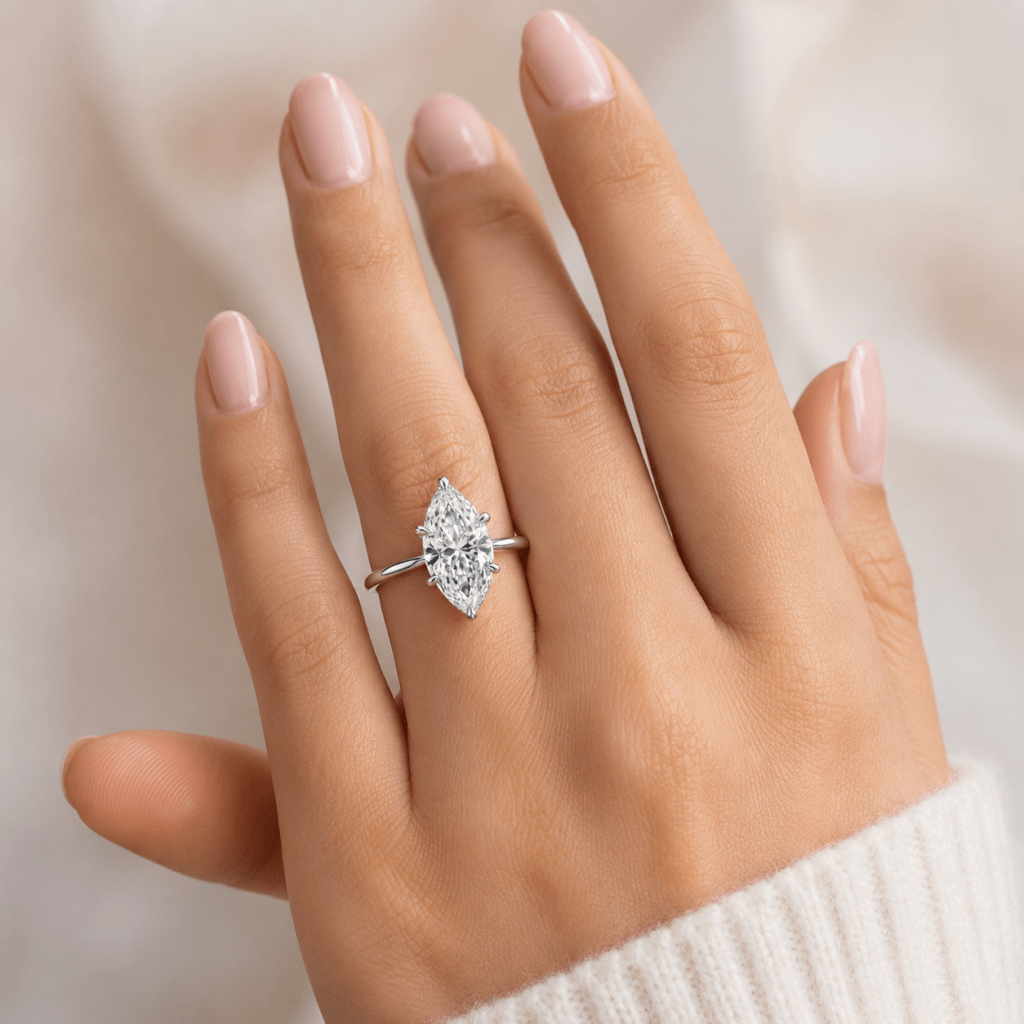
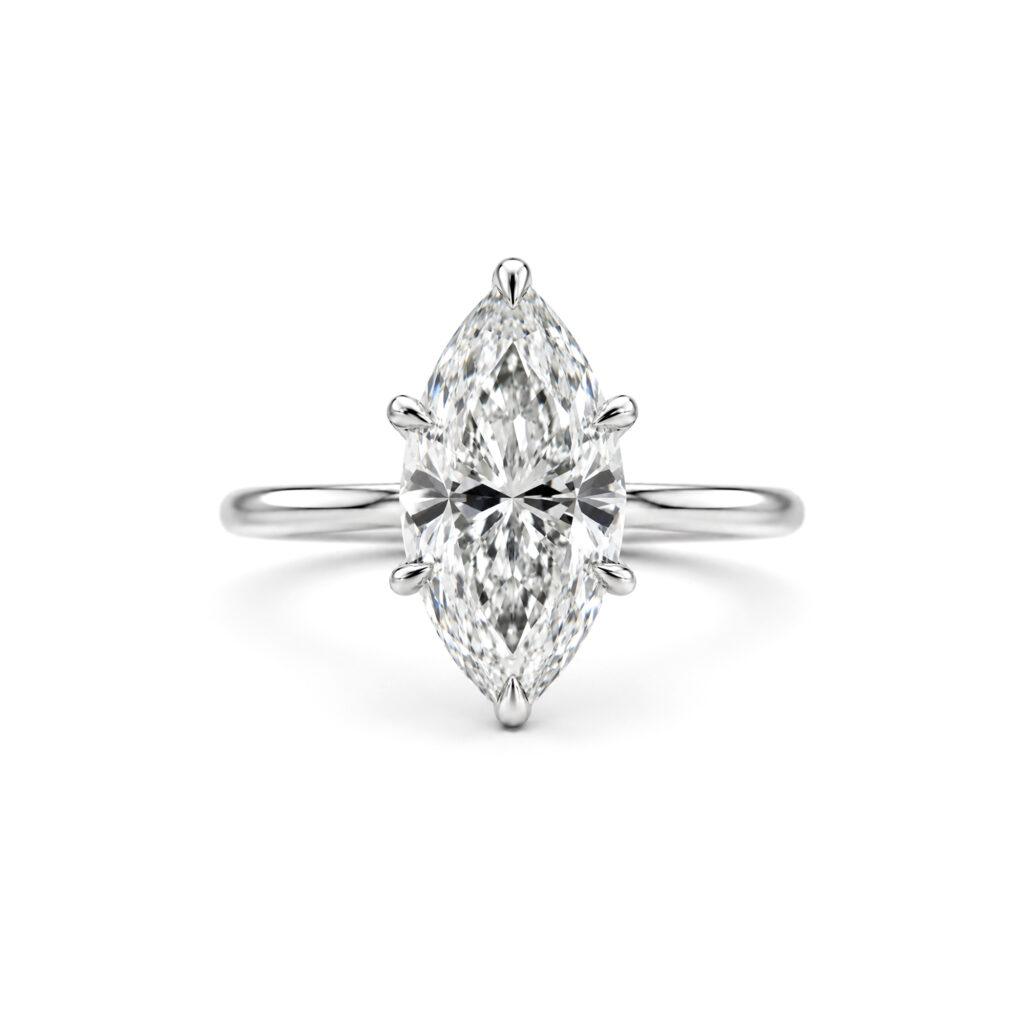
| Marquise | Elongated outline with pointed ends | Dramatic proportions and a pronounced silhouette |
Selecting the Right Precious Metal
The setting frames the diamond and determines much of the ring’s practical character. Its colour matters, but so do its maintenance requirements and construction.
Yellow Gold
Yellow gold creates a rich contrast against a white diamond. It suits both traditional designs and pared-back settings, lending warmth without requiring elaborate decoration.
It is especially effective when the metal itself forms a visible part of the design.
White Gold
White gold offers a bright, neutral appearance that integrates easily with diamond-set shoulders and pavé details. Many white gold rings have a rhodium finish, which may require renewal as it wears.
Ask about the alloy and the recommended maintenance before purchasing.
Rose Gold
Rose gold introduces a pink hue that can soften geometric settings and complement vintage-inspired details. Its warmth gives even a simple solitaire a distinctive character.
The precise colour varies with the alloy composition.
Platinum
Platinum has a naturally white appearance and a substantial feel. With wear, its surface can develop a patina that changes the finish of the metal.
The choice between platinum and gold should account for appearance, weight, maintenance, and personal preference. Neither replaces the need for sound craftsmanship.
Popular Diamond Ring Settings
A successful setting supports the diamond securely while giving the design a coherent identity.
Solitaire settings place the centre stone at the heart of the composition. Small differences in prong shape, band width, and setting height become especially noticeable in this restrained style.
Halo settings surround the centre diamond with smaller stones, creating a broader visual outline and additional sparkle. The spacing and alignment of those stones determine whether the result feels delicate or ornate.
Three-stone rings create a balanced arrangement around the centre diamond. Side stones can echo its shape or introduce contrast through tapered baguettes, half-moons, or other complementary forms.
Pavé bands add closely set small diamonds along the shank. Their appeal lies in fine execution: even spacing, neat metalwork, and a smooth finish.
Bezel settings surround the diamond with a metal rim. They offer a clean silhouette and can help protect vulnerable edges, although their appearance differs considerably from an open prong setting.
Try each style on. A ring’s profile and comfort are difficult to judge from a photograph alone. Customized rings in Dubai.
Natural and Laboratory-Grown Diamond Rings
Natural and laboratory-grown diamonds offer two distinct origin choices. Both are diamonds, with essentially the same chemical composition and crystal structure, but their formation histories differ.
Natural diamonds form through geological processes. Laboratory-grown diamonds are produced using technological methods.
The decision may reflect personal sentiment, origin preferences, or the characteristics sought within a particular budget. Furthermore, What matters is clear disclosure. The ring’s documentation should state whether the diamond is natural or laboratory-grown and identify any relevant treatments.
Neither should be confused with diamond simulants, such as cubic zirconia or moissanite, which are different materials. Customized rings in Dubai.
What to Check Before Buying a Diamond Ring in Dubai
An attractive display is only the beginning of a careful purchase. Examine the ring, understand its documentation, and obtain the seller’s terms in writing.
For a significant centre stone, review an independent grading report where available. Additionally, Check that the report details correspond to the diamond being offered. A grading report describes assessed characteristics; it does not establish a guaranteed resale value.
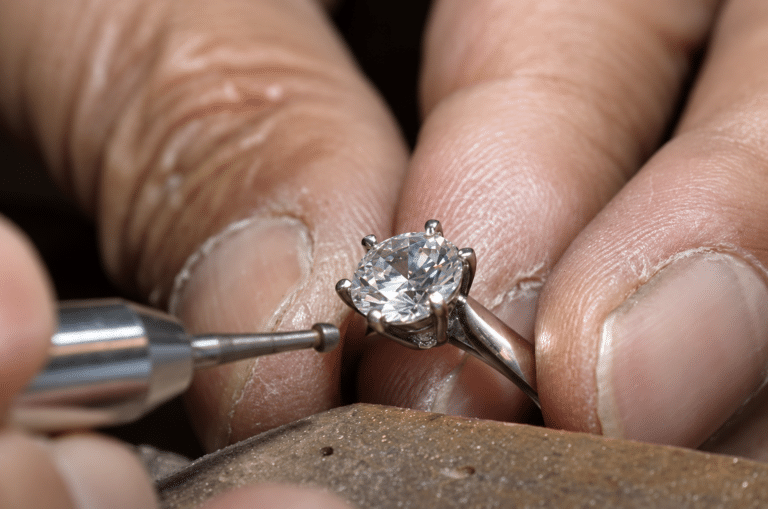
Inspect the workmanship as closely as the gemstone. Prongs should appear even and properly finished. Small diamonds should sit consistently. The band should feel comfortable against adjacent fingers, with no rough edges or conspicuous irregularities.
View the ring under more than one lighting condition. Jewellery spotlights can produce dramatic sparkle, while softer and more diffuse light reveals other aspects of the stone’s appearance.
Before paying, clarify:
- The diamond’s origin and disclosed treatments.
- The metal type, fineness, and any surface plating.
- What the quoted price includes.
- Resizing options and limitations.
- Return, exchange, and warranty terms.
- Cleaning, inspection, and repair arrangements.
Clear answers make comparisons more meaningful and reduce uncertainty after the purchase.
Creating a Bespoke Diamond Ring
A bespoke ring allows the design to begin with the wearer’s preferences rather than an existing collection. Moreover, The result may be an elongated emerald-cut solitaire, a three-stone composition, or a discreetly personalised setting with engraving beneath the band.
Start with proportion. Decide how prominent the centre stone should appear, how substantial the shank should feel, and how high the setting can comfortably sit.
Practical details deserve equal attention. Moreover, A ring intended for daily wear must accommodate routine hand movements. Furthermore, If it will be worn beside a wedding band, discuss how the two rings will meet.
Review drawings, dimensions, and models carefully. Renderings help communicate the design, but their enlarged presentation can make delicate details appear more substantial than they will be in the finished piece. Customized rings in Dubai.
Caring for a Diamond Ring
Diamonds are hard, but they are not immune to damage. The setting also requires attention, particularly around prongs and small accent stones.
Remove the ring for heavy lifting, abrasive work, and activities that could expose it to sharp impacts or harsh chemicals. Furthermore, Store it separately from other jewellery to help prevent scratching.
For many uncomplicated diamond rings, gentle cleaning with warm water, mild soap, and a soft brush can remove everyday residue. Rings with treated stones, mixed gemstones, or unusual finishes may need different care, so follow the jeweller’s guidance.
Periodic professional inspection can identify worn prongs or loose stones before they become more serious problems.