



Sapphires are among the most valuable and rare blue gemstones found in nature. People prize them for their rich royal blue color, exceptional hardness (second only to diamonds), long-lasting durability, and brilliant sparkle.
In the gem industry, the word sapphire on its own usually means the blue variety of the mineral corundum. However, sapphire also includes corundum in every other color, except red. Red corundum called ruby and Classified as a separate gemstone.
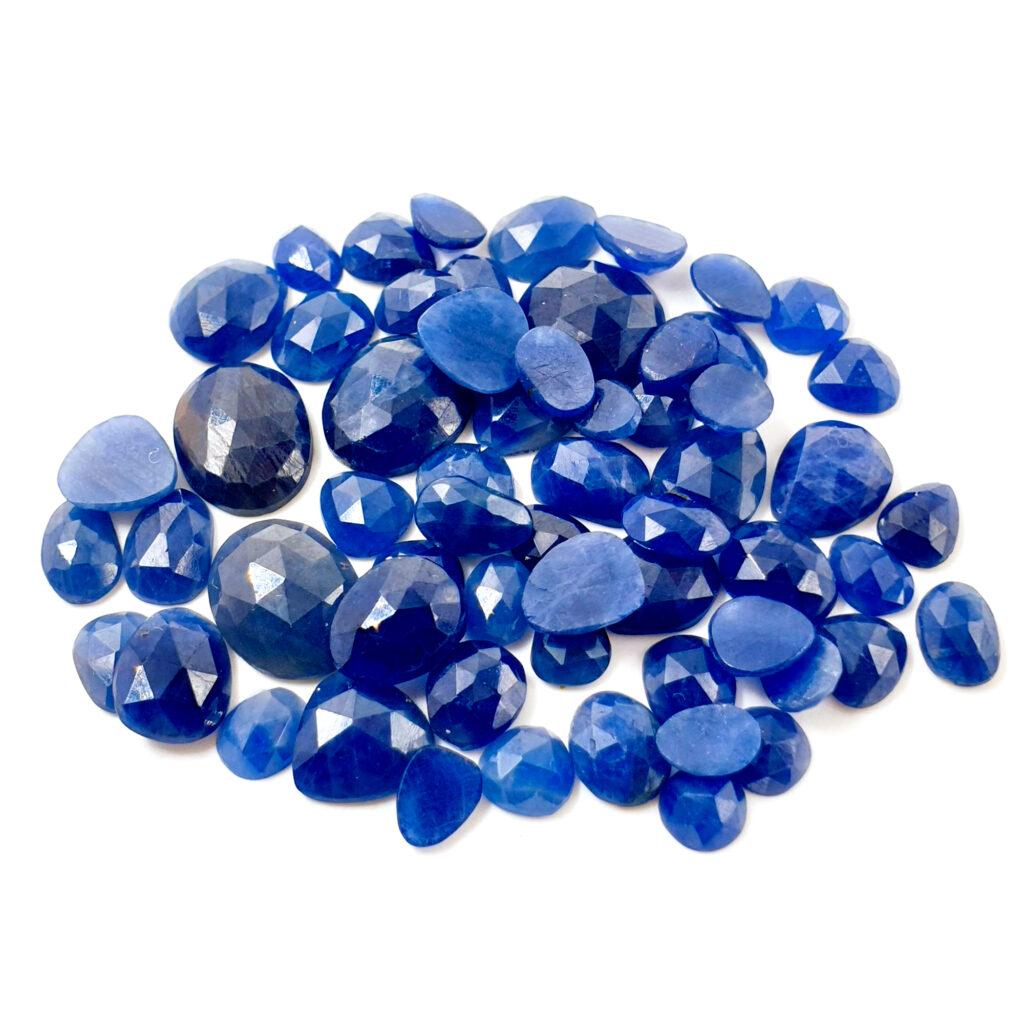
Lab created sapphire corundum is a man-made crystal with exceptional hardness, ranking just below diamond on the Mohs scale. This strength makes it highly durable and resistant to chipping, which is essential for everyday jewelry. Manufacturers grow it slowly in cylindrical forms called boules through an energy-intensive and costly process.
Color defines a sapphire’s value more than any other factor. The best sapphires show a pure blue hue with strong, vivid saturation. Most sapphires available today appear slightly gray, while top-quality stones display a rich royal blue. Tone also matters—very dark sapphires are common, but they rarely achieve high value.
Sapphire Pricing
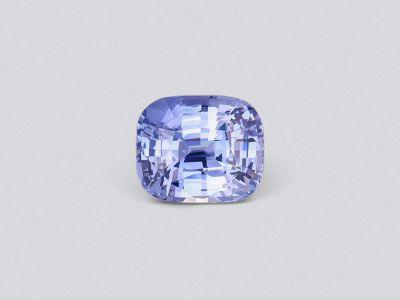
The most valuable quality of a sapphire is its cornflower blue color, often known as Kashmir sapphire or cornflower blue sapphire. This rare shade shows a soft yet vivid blue with a velvety appearance, neither too dark nor too light. Its balanced tone and rich saturation give the stone exceptional beauty and make it highly prized among collectors and jewelers.
Another highly valuable sapphire is the rare orange-pink Padparadscha. This unique stone shows a delicate blend of pink and orange, making it one of the most sought-after sapphires in the world.
Some sapphires also change color based on lighting. Known as color-changing sapphires, they appear blue in natural daylight and shift to a violet or purple tone under artificial light, giving them a fascinating and dynamic look.
Yellow and pink sapphires have also grown in popularity. Their bright, cheerful colors make them a favorite choice for modern jewelry, and they are now commonly featured in rings, earrings, and other fine designs.
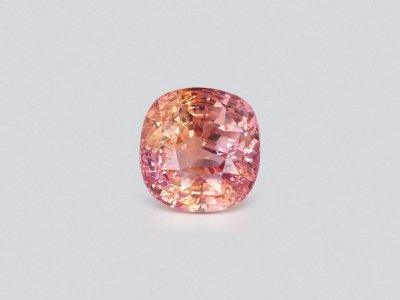
Sapphire prices vary widely. Some sapphires cost as little as $25 per carat, while others sell for more than $11,000 per carat. The most expensive sapphire ever sold reached $135,000 per carat. Quality mainly determines a sapphire’s price, so a large low-quality sapphire costs much less than a smaller, high-quality one.
Blue sapphires usually contain inclusions, but they are generally clearer than rubies. Different types of inclusions appear in sapphires, such as long, thin mineral lines called needles. Many sapphires also contain feathers or white, cloudy lines that can make the stone look less transparent. Finding a blue sapphire with very high clarity is rare, which makes these stones more valuable. As rarity increases, so does the price. The most prized sapphires come from Kashmir. Miners can only extract these stones for a few months each year in the Himalayan mountains. Kashmir sapphires show rich color, but their fine silk sets them apart. This silk gives the stone a soft, velvety look and creates a gentle glow while reducing dark areas. This glowing effect is also seen in Burmese rubies.

What Makes Sapphires Expensive
Sapphires come in many colors and sizes, with prices starting at just a few dollars for heavily included midnight-blue stones. The most expensive sapphires show deep, saturated blue, vivid pink, or rare padparadscha colors. Blue sapphires often command the highest prices because they also occur in larger sizes. Pink and padparadscha sapphires reach similar prices only when they weigh more than 100 carats, but stones of that size with excellent color and clarity are extremely rare.
Color and size play the biggest role in a sapphire’s price. After color, clarity and cut also matter, but clarity usually carries more weight because cutters can always re-cut a sapphire.
A top-quality sapphire weighing 1 to 2 carats may sell for about $800 to $1,200 per carat. High-quality 2 to 3 carat stones often sell for about twice that amount, around $1,600 to $2,000 per carat. Prices for smaller or larger stones can be estimated, but no fixed formula applies, and market prices change over time.
Pricing for Synthetic vs. Natural
Synthetic sapphires are easy to identify because they look almost too perfect. Their high clarity and lack of natural inclusions often make them appear visually superior to natural gemstones. However, synthetic sapphires usually sell for much lower prices than natural ones. Natural sapphires remain expensive because they are rare, high-quality gemstones with strong market demand.
A well-cut, high-quality sapphire with good carat weight costs more than most other gemstones. Its rarity, craftsmanship, and lasting value drive demand and push prices higher.